

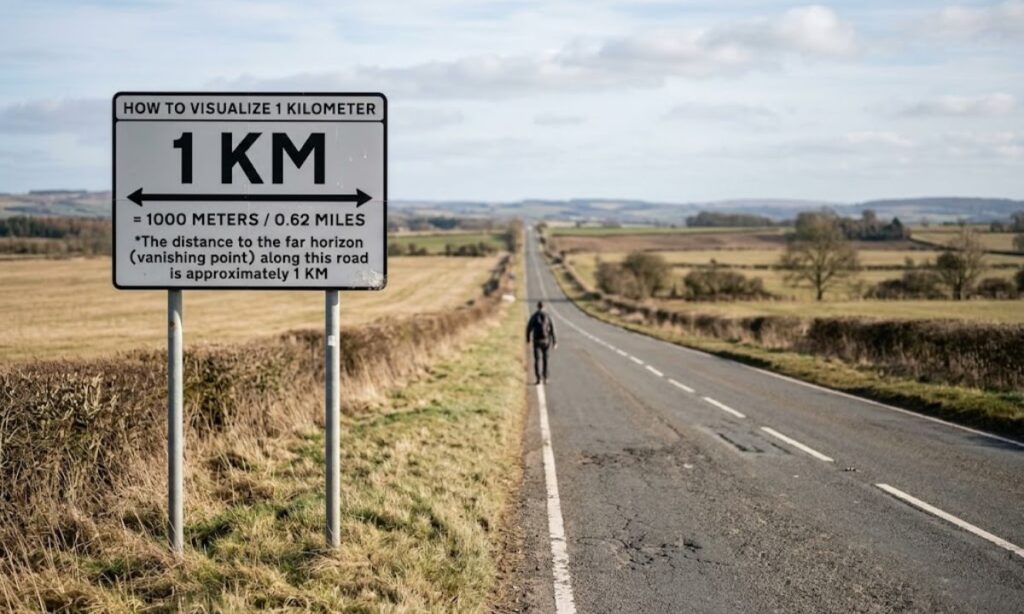
One kilometer (1 km) is a metric unit of length equal to 1,000 meters, or about 0.62 miles. You see it on road signs, running apps, race flyers, and maps almost everywhere outside the United States. But numbers on a screen don’t tell you how far 1 km actually feels.
This guide explains the 1 km meaning in plain language. You’ll get quick conversions, easy ways to picture the distance, real-life comparisons, and a walking-time chart you can use today.
Quick answer: 1 km = 1,000 m = 0.621371 mi = 3,280.84 ft = 1,093.61 yd. An average adult walks it in about 12 minutes.
How Long Is 1 Kilometer, Really?
The word “kilometer” combines “kilo,” meaning one thousand, with “meter,” the base unit of length in the metric system. So 1 kilometer is simply 1,000 meters. The abbreviation is “km,” and in British and Commonwealth English the spelling is “kilometre.”
Here are the conversions you’ll use most often:
- 1 km = 1,000 meters
- 1 km = 100,000 centimeters
- 1 km ≈ 0.621 miles
- 1 km ≈ 1,094 yards
- 1 km ≈ 3,281 feet
To convert kilometers to miles, multiply by 0.621371. To go the other way, multiply miles by 1.609344.
A mental shortcut: multiply the kilometers by 0.6. So 10 km is about 6 miles, and 5 km is about 3 miles. It’s not exact, but it’s close enough for road trips and race planning.
To convert kilometers to meters, just add three zeros. Two kilometers become 2,000 meters, and 0.5 km becomes 500 meters.
How to Visualize 1 Kilometer
Raw conversions are accurate, but they rarely stick. Mental pictures work better. Here are four anchors you can lean on:
- A 12-minute stroll. At an easy walking pace, 1 km takes roughly 12 minutes.
- 2.5 laps of a running track. A standard outdoor track is 400 meters per lap.
- A minute on the highway. At 60 km/h, a car covers 1 km in exactly one minute.
- About 1,300 steps. Most adults take between 1,250 and 1,400 steps per kilometer.
Pick the one that fits your life. Runners think in laps. Commuters think in minutes. Walkers think in steps.
Read More Measurement : 1KM Meaning
Is 1 Kilometre Enough Exercise?
On its own, no. But it’s a perfectly good start.
Health agencies like the World Health Organization recommend at least 150 minutes of moderate activity per week for adults. A single 1 km walk takes about 12 minutes, so it covers only a small slice of that target. It also burns a modest amount of energy, usually somewhere between 40 and 70 calories depending on your body weight and pace.
Still, one kilometer a day beats zero. For someone who has been inactive, it’s a realistic and low-pressure first goal.
But Here’s What Matters More
Consistency matters more than distance. A 1 km walk done every day for a month does more for you than one exhausting 10 km outing that you never repeat.
Pace matters too. A brisk walk, where your heart rate rises and you can talk but not sing, delivers more benefit per kilometer than a slow stroll. Walking uphill or adding short bursts of faster speed raises the payoff even further.
1 km Is Your Starting Point, Not Your Finish Line
Think of 1 km as a base layer. Once it feels easy, build on it:
- Add 200 to 300 meters each week.
- Move from one daily walk to two.
- Try a 2 km loop, then work toward a 5K.
- Mix in light jogging intervals if your joints are happy with it.
Within two or three months, most people find they’re covering 3 to 5 km without much trouble.
15 Real-Life Things That Are 1 Kilometer Long
Distances become easier to judge once you’ve linked them to places you already know. Block sizes, field lengths, and building footprints vary from town to town, so treat these as practical estimates rather than exact measurements.
City and neighborhood distances
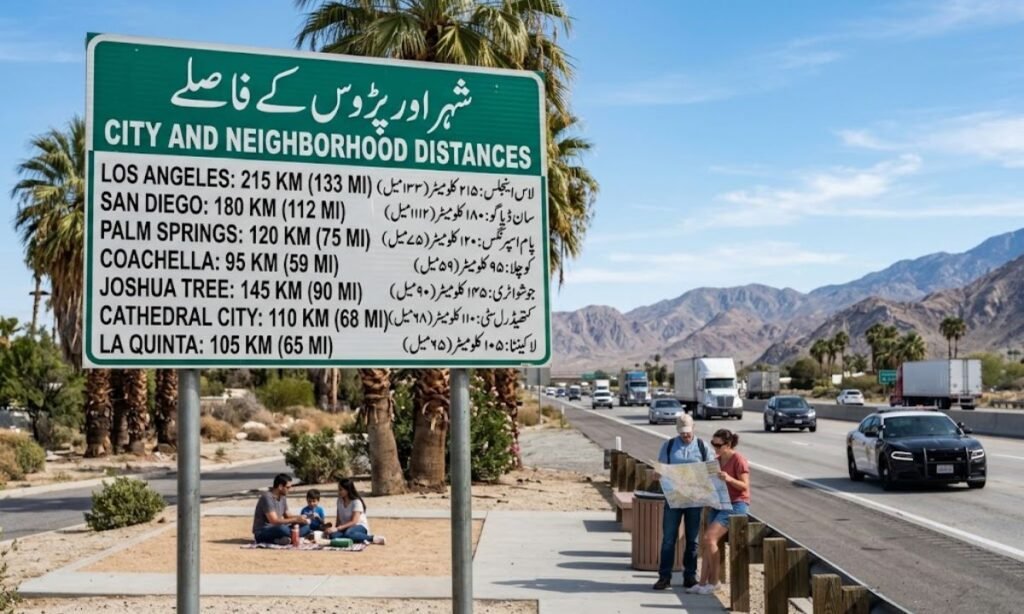
Urban settings are where most people cover a kilometer without thinking about it. A quick walk to a café, a train station, or a grocery store often falls right around this mark.
About 10 average U.S. city blocks
In a grid city with short blocks, like much of Manhattan’s east-west streets or older downtown cores, 1 km is roughly 10 to 12 blocks. Longer blocks, such as those in Chicago, can cut that to around five. When in doubt, count your own city’s blocks once and you’ll have a personal yardstick.
The length of a large shopping mall
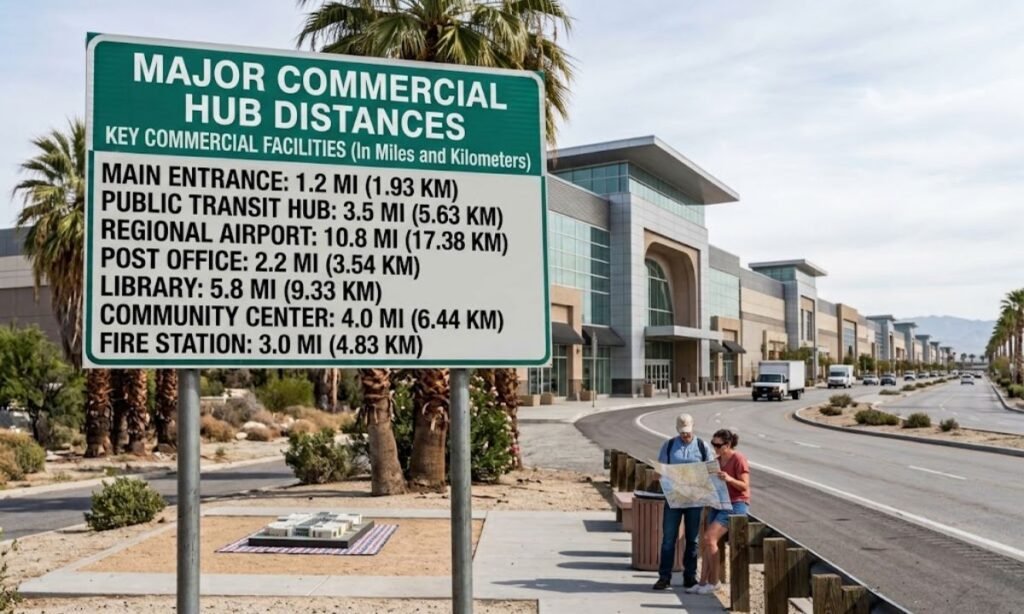
Walking the full corridor loop of a big regional mall, from one anchor store to the other and halfway back, can easily total a kilometer. It’s one reason mall walking is popular for exercise.
A big-box parking lot plus the walk to the entrance
Cross a vast supermarket or warehouse-store lot, stroll the main aisles, and return to your car. That whole trip often adds up to about 1 km.
Roughly 35 to 50 average suburban house lots
A typical suburban lot is 20 to 30 meters wide, so 1 km works out to about 35 to 50 neighboring lots along a street. That’s a long, quiet walk through a residential area.
Sports and recreation
Sports fields offer some of the clearest comparisons because their dimensions are standardized.
About 10 football fields
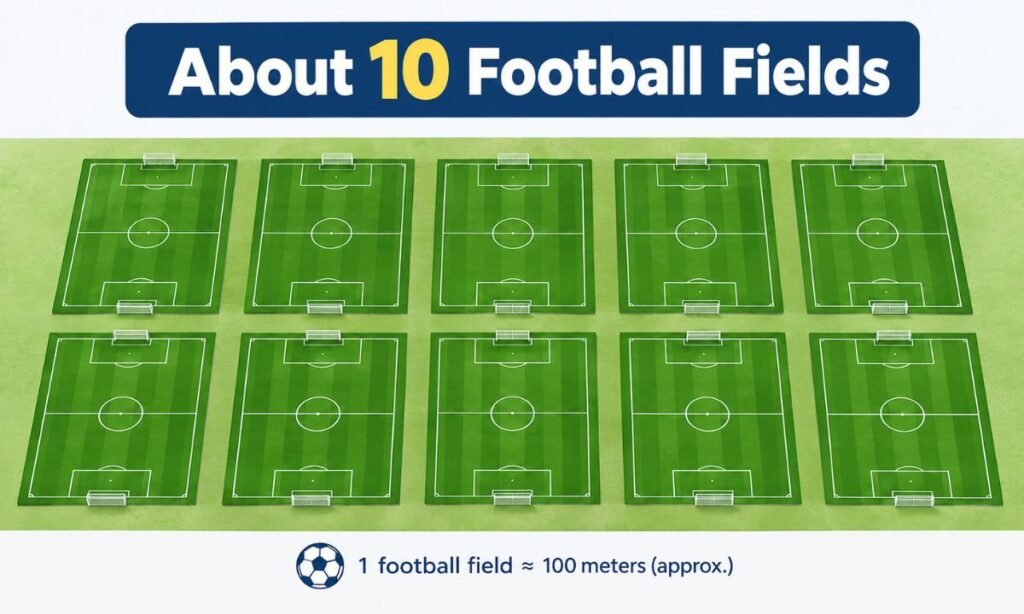
An American football field measures 100 yards between goal lines, which is about 91 meters. Ten of them stretch roughly 914 meters. Add the end zones and you’re a little over 1 km.
Around 9 soccer pitches
International soccer pitches run between 100 and 110 meters long. Line up nine or ten end to end, and you’ve covered a kilometer.
A short hiking loop trail
Many park trails marked “easy loop” or “nature walk” are between 0.8 and 1.2 km. On a flat, well-maintained path, expect to finish in 12 to 15 minutes.
Everyday landmarks
Larger structures help you judge distance at a glance, especially when you can see both ends.
The length of a small regional airport terminal
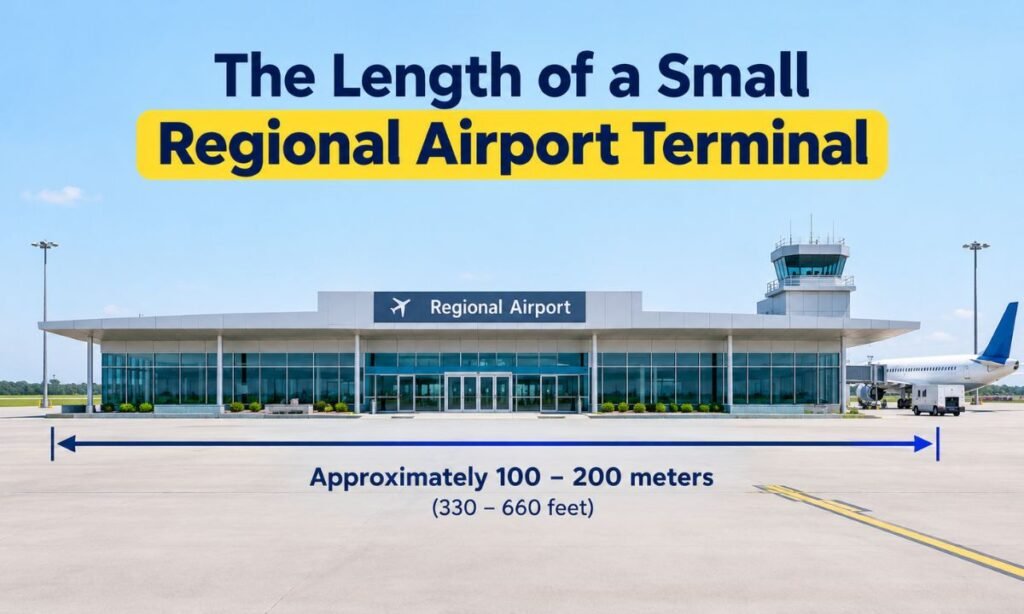
Small terminals are usually a few hundred meters long. Walk the full length and back, or follow the long concourse of a larger airport to the farthest gate, and you’ll be close to 1 km.
Roughly two-thirds of a U.S. freeway mile
Since a mile is 1.609 km, a single kilometer is only about 62% of the distance between two green mile markers on an American highway. It passes quickly at highway speed.
The distance across a mid-sized university campus
Many campuses are about 1 km from one edge to the other. For a student, that’s roughly the walk from the dorms to the farthest lecture hall.
A long downtown bridge

Plenty of city river crossings measure close to 1 km once the approach ramps are included. The Brooklyn Bridge, for comparison, is roughly 1.8 km including its approaches, so walking about half of it gets you there.
Everyday movement
Movement-based comparisons are the easiest to remember because you can test them yourself:
- 2.5 laps around a standard 400 m running track
- 20 lengths of a 50 m Olympic swimming pool
- About 1,300 steps at a normal walking stride
- One minute of driving at 60 km/h
How Long Does It Take to Walk 1 Kilometer?
Most healthy adults walk 1 km in 10 to 15 minutes. The exact time depends on your speed, the terrain, your age, your stride length, and how much you’re carrying. Uphill sections and rough ground slow you down, while smooth pavement speeds you up.
The formula is simple: time (minutes) = 60 ÷ speed (km/h).
| Activity | Speed | Time for 1 km |
| Slow, relaxed walk | 3 km/h | 20 min |
| Easy walk | 4 km/h | 15 min |
| Average walking pace | 5 km/h | 12 min |
| Brisk walk | 6 km/h | 10 min |
| Easy jog | 8 km/h | 7.5 min |
| Steady run | 10 km/h | 6 min |
| Casual cycling | 20 km/h | 3 min |
| City driving | 50 km/h | 1.2 min |
Want your own number? Find a flat 1 km route, set a timer, and walk at a comfortable pace. Repeat once a week and watch your time drop.
1 Kilometer vs. Mile vs. Meter: Quick Comparison
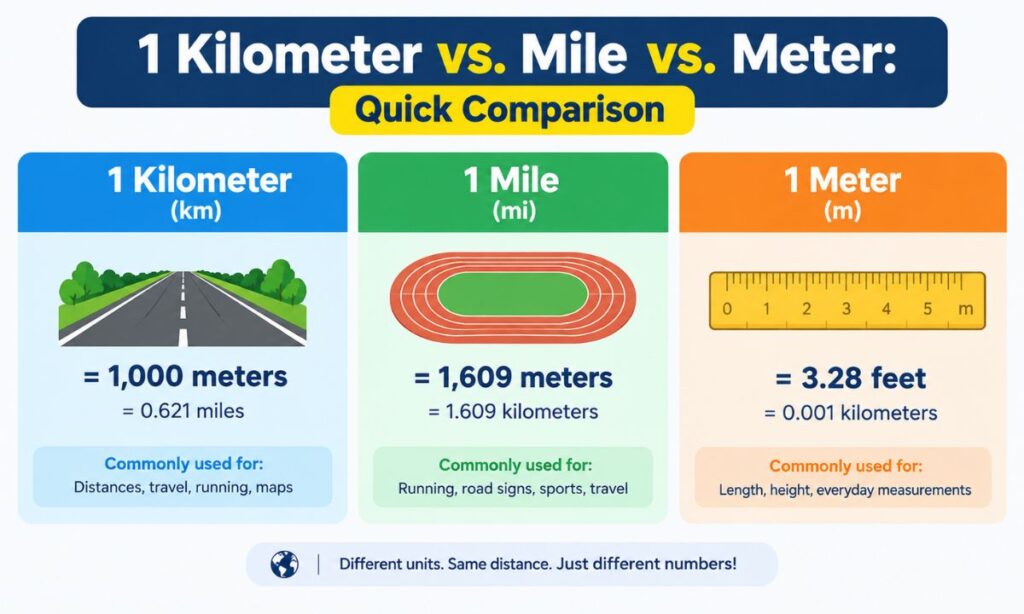
These three units show up constantly, and mixing them up leads to wrong estimates. A kilometer is longer than a meter by a factor of 1,000, but shorter than a mile.
| Unit | In meters | In kilometers | In miles |
| 1 meter (m) | 1 | 0.001 | 0.000621 |
| 1 kilometer (km) | 1,000 | 1 | 0.621 |
| 1 mile (mi) | 1,609.34 | 1.609 | 1 |
| 1 yard (yd) | 0.9144 | 0.000914 | 0.000568 |
| 1 foot (ft) | 0.3048 | 0.000305 | 0.000189 |
The key takeaway: a mile is about 60% longer than a kilometer. If a sign in Canada or Mexico says a town is 80 km away, that’s about 50 miles.
The metric system is used by nearly every country, which is why the kilometer is the global default for road distances. The United States and, in part, the United Kingdom still rely on miles for road signs.
Read More Measurement : 1KM Meaning
FAQ’s
How many meters are in 1 kilometer?
There are exactly 1,000 meters in 1 kilometer. The prefix “kilo” means one thousand.
How many miles is 1 km?
1 km equals about 0.621 miles, or 0.621371 to six decimal places. A handy shortcut is to multiply by 0.6.
Is 1 km the same as 1K?
Yes. In running and everyday speech, “1K” is shorthand for one kilometer. Likewise, a “5K” race is 5 kilometers, or about 3.1 miles.
How many steps are in 1 km?
Most adults take roughly 1,250 to 1,400 steps per kilometer. Taller people with longer strides take fewer, and shorter people take more.
How long does it take to walk 1 km?
At an average pace of 5 km/h, it takes about 12 minutes. Brisk walkers cover it in around 10 minutes.
Final Thought
A kilometer looks small on a map, but it’s a meaningful distance in real life. It’s 1,000 meters, about 0.62 miles, roughly 12 minutes on foot, and a handful of city blocks or football fields in any direction.
Once you can picture 1 km, every other metric distance gets easier to judge. Five kilometers is five of these. Ten kilometers is ten. Use the comparisons above, test one against your own neighborhood, and the number will stop being abstract.
If you’re just starting to walk for fitness, make 1 km your first target. Then keep going.